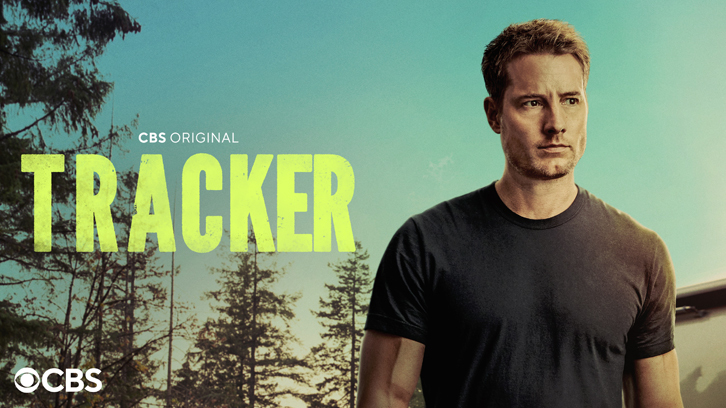
“The Field Trip” is a strong, quietly unsettling episode that leans into what Tracker does best: telling grounded, emotionally driven stories where the danger feels uncomfortably real. While the case itself follows a fairly classic missing-child structure, the execution, and especially the emotional undercurrents, elevate it into one of the more memorable installments of the season.
A Routine Day Turns Into a Nightmare
The episode opens in a way that feels deliberately ordinary. A class trip to a museum, teachers guiding students through exhibits, the kind of controlled chaos that comes with children in public spaces. That sense of normalcy is important, because it makes what follows all the more disturbing.
When the fire alarm blares and the evacuation begins, the confusion feels realistic rather than heightened for drama. Kids are shuffled, counted, ushered onto buses and in the middle of that process, one child slips through the cracks.
Alex doesn’t wander off recklessly. He hides from the overwhelming noise, covers his ears, and lingers behind. That detail matters. It grounds his disappearance in something deeply human and relatable, particularly for a sensitive child. By the time he steps back out, disoriented and alone, the adults are gone and within moments, so is he.
There is no spectacle to his abduction. That’s what makes it effective. It happens quietly, almost invisibly, which reinforces the episode’s central tension: danger doesn’t always announce itself.
Colter’s Approach: Observation Over Assumption
When Colter is brought in five hours later, the situation has already shifted from search to urgency. Law enforcement is present, the parents are spiraling in different ways, and time is no longer an ally.
What distinguishes Colter immediately is not that he knows more than the police, but that he looks at the situation differently. He doesn’t assume Alex wandered off. He questions why he hasn’t been found yet. He expands the scope of the search beyond the museum before anyone else fully commits to that conclusion.
His process throughout the episode is methodical and patient. He retraces Alex’s steps, notices the misplaced sticker under a janitorial cart, and begins to build a picture not from dramatic clues, but from small inconsistencies. It’s a reminder that Colter’s strength as a tracker isn’t just physical skill, it’s his ability to recognize when something doesn’t fit.
 |
| “The Field Trip – TRACKER, Pictured: Justin Hartley as Colter Shaw. Photo: Sergei Bachlakov/CBS ©2026 CBS Broadcasting, Inc. All Rights Reserved. |
Misdirection That Feels Earned
The episode does a solid job of introducing suspects without resorting to cheap twists. Sylvia, the janitor, is the first person who fits the profile of someone the audience is primed to distrust. Her history of mental health struggles, loss of custody of her kids and financial hardship is presented in a way that feels intentionally loaded. But rather than confirming those suspicions, the show subverts them. Sylvia isn’t the threat. She’s another person shaped by circumstances, and ultimately, she provides the crucial lead that moves the case forward.
From there, suspicion shifts to Mr. Brooks, Alex’s teacher. This turn feels more emotionally charged because it taps into a different fear: betrayal by someone trusted. His connection to Alex, the drawings labeling him a “special friend,” and his access to the child all create a convincing case.
The episode uses these layers not to trick the audience, but to mirror the uncertainty of real investigations, where conclusions are often drawn too quickly and corrected just as fast.
The Real Threat: Familiar, Trusted, and Watching
The reveal of Noah Rossie as the abductor reframes the entire episode in a deeply unsettling way. He isn’t a stranger who inserted himself into the family’s life, he was already there. He was their neighbour, someone who built trust over time, who played chess with Alex, who became part of the family’s routine. That proximity is what makes him dangerous.
The telescope aimed directly into Alex’s bedroom window is one of the episode’s most chilling images because it confirms that this wasn’t spontaneous. It was deliberate, observational and calculated. Noah didn’t just take Alex. He studied him. He waited.
Sarah’s realization that she unknowingly allowed that access lands with devastating weight. It’s not just fear for her son, it’s guilt, shock, and the collapse of what she thought was safe.
The Cabin: Where Control Breaks Down
At the cabin, the tone shifts from investigation to survival. Up until this point, Noah has maintained a facade of calm, even trying to frame the situation as something harmless or temporary. He offers Alex comfort, distractions, a sense of normalcy. But that illusion cannot hold.
When Alex witnesses Noah stabbing Mr. Brooks who, in a quiet twist of heroism, had followed his instincts and tried to intervene, everything changes. The threat becomes immediate and undeniable.
The sequence that follows, with Alex running through the woods and Noah pursuing him, is stripped down and effective. There are no elaborate set pieces or distractions. It’s simply a child trying to escape and a predator trying to reclaim control.
Colter as Protector, Not Just Tracker
Colter’s role in the final act reinforces what sets him apart as a lead. He doesn’t just apprehend Noah; he prioritizes Alex’s emotional state in the aftermath. When he finds him, he doesn’t rush him or overwhelm him. Instead, he offers him a choice, to wait or to be taken back to his parents. That moment is small, but significant. It restores a sense of agency to a child who has just experienced profound loss of control.
The image of Colter carrying Alex out of the woods feels earned, not heroic in a grand sense, but quietly reassuring.
James: A Father Confronting Himself
One of the episode’s strongest emotional threads lies with Alex’s father, James. Initially, he comes across as volatile and reactive, someone whose fear manifests as anger. He challenges authority, pushes against the investigation, and struggles to stay out of the way.
However, his conversation with Colter reveals a more vulnerable truth. He recognizes that he hasn’t been as present as he should have been. He sees the parallels between himself and his own father, and the realization unsettles him. By the end of the episode, that awareness turns into intention. He wants to change. To be there. To not repeat the same mistakes.
Colter’s response, that not every father gets a second chance, underscores the stakes. James nearly lost his opportunity. Now he has to decide what to do with it.
The episode does a solid job of introducing suspects without resorting to cheap twists. Sylvia, the janitor, is the first person who fits the profile of someone the audience is primed to distrust. Her history of mental health struggles, loss of custody of her kids and financial hardship is presented in a way that feels intentionally loaded. But rather than confirming those suspicions, the show subverts them. Sylvia isn’t the threat. She’s another person shaped by circumstances, and ultimately, she provides the crucial lead that moves the case forward.
From there, suspicion shifts to Mr. Brooks, Alex’s teacher. This turn feels more emotionally charged because it taps into a different fear: betrayal by someone trusted. His connection to Alex, the drawings labeling him a “special friend,” and his access to the child all create a convincing case.
The episode uses these layers not to trick the audience, but to mirror the uncertainty of real investigations, where conclusions are often drawn too quickly and corrected just as fast.
The Real Threat: Familiar, Trusted, and Watching
The reveal of Noah Rossie as the abductor reframes the entire episode in a deeply unsettling way. He isn’t a stranger who inserted himself into the family’s life, he was already there. He was their neighbour, someone who built trust over time, who played chess with Alex, who became part of the family’s routine. That proximity is what makes him dangerous.
The telescope aimed directly into Alex’s bedroom window is one of the episode’s most chilling images because it confirms that this wasn’t spontaneous. It was deliberate, observational and calculated. Noah didn’t just take Alex. He studied him. He waited.
Sarah’s realization that she unknowingly allowed that access lands with devastating weight. It’s not just fear for her son, it’s guilt, shock, and the collapse of what she thought was safe.
The Cabin: Where Control Breaks Down
At the cabin, the tone shifts from investigation to survival. Up until this point, Noah has maintained a facade of calm, even trying to frame the situation as something harmless or temporary. He offers Alex comfort, distractions, a sense of normalcy. But that illusion cannot hold.
When Alex witnesses Noah stabbing Mr. Brooks who, in a quiet twist of heroism, had followed his instincts and tried to intervene, everything changes. The threat becomes immediate and undeniable.
The sequence that follows, with Alex running through the woods and Noah pursuing him, is stripped down and effective. There are no elaborate set pieces or distractions. It’s simply a child trying to escape and a predator trying to reclaim control.
Colter as Protector, Not Just Tracker
Colter’s role in the final act reinforces what sets him apart as a lead. He doesn’t just apprehend Noah; he prioritizes Alex’s emotional state in the aftermath. When he finds him, he doesn’t rush him or overwhelm him. Instead, he offers him a choice, to wait or to be taken back to his parents. That moment is small, but significant. It restores a sense of agency to a child who has just experienced profound loss of control.
The image of Colter carrying Alex out of the woods feels earned, not heroic in a grand sense, but quietly reassuring.
James: A Father Confronting Himself
One of the episode’s strongest emotional threads lies with Alex’s father, James. Initially, he comes across as volatile and reactive, someone whose fear manifests as anger. He challenges authority, pushes against the investigation, and struggles to stay out of the way.
However, his conversation with Colter reveals a more vulnerable truth. He recognizes that he hasn’t been as present as he should have been. He sees the parallels between himself and his own father, and the realization unsettles him. By the end of the episode, that awareness turns into intention. He wants to change. To be there. To not repeat the same mistakes.
Colter’s response, that not every father gets a second chance, underscores the stakes. James nearly lost his opportunity. Now he has to decide what to do with it.
 |
| “The Field Trip – TRACKER, Pictured: Justin Hartley as Colter Shaw. Photo: Sergei Bachlakov/CBS ©2026 CBS Broadcasting, Inc. All Rights Reserved. |
Mr. Brooks: Misjudged but Essential
Mr. Brooks’ role is a subtle but important one. Initially framed as a potential suspect, he ultimately becomes a catalyst for Alex’s rescue. His attention to Alex’s drawings, his decision to act on instinct, and his willingness to investigate alone all contribute to moving the case forward.
His actions are not without consequence, he nearly loses his life, but they reinforce a recurring theme in the episode: sometimes the people we question are the ones trying to help.
Reenie’s Case: Justice Beyond the Field
Parallel to the main storyline, Reenie’s investigation into Curtis Lauper adds a different kind of tension. Unlike Alex’s case, which is immediate and physical, this one is systemic and long-term.
Curtis’ story of being discredited, institutionalized, and silenced after attempting to expose unsafe conditions, speaks to a different form of vulnerability. He wasn’t just ignored; he was actively undermined.
Reenie’s determination to stand by him, even when he resists, suggests a longer arc that will likely explore corporate accountability and the cost of truth-telling. It’s a quieter storyline, but one with significant potential.
Final Thoughts
“The Field Trip” is a strong episode that tells a focused story and allows the emotional weight of that story to carry the episode. The tension comes not from spectacle, but from plausibility. A child disappears during a routine outing. A trusted neighbour is revealed to be a predator. A parent realizes how close they came to losing everything.
These are not exaggerated fears. They are real ones. And that’s why the episode hits.
Mr. Brooks’ role is a subtle but important one. Initially framed as a potential suspect, he ultimately becomes a catalyst for Alex’s rescue. His attention to Alex’s drawings, his decision to act on instinct, and his willingness to investigate alone all contribute to moving the case forward.
His actions are not without consequence, he nearly loses his life, but they reinforce a recurring theme in the episode: sometimes the people we question are the ones trying to help.
Reenie’s Case: Justice Beyond the Field
Parallel to the main storyline, Reenie’s investigation into Curtis Lauper adds a different kind of tension. Unlike Alex’s case, which is immediate and physical, this one is systemic and long-term.
Curtis’ story of being discredited, institutionalized, and silenced after attempting to expose unsafe conditions, speaks to a different form of vulnerability. He wasn’t just ignored; he was actively undermined.
Reenie’s determination to stand by him, even when he resists, suggests a longer arc that will likely explore corporate accountability and the cost of truth-telling. It’s a quieter storyline, but one with significant potential.
Final Thoughts
“The Field Trip” is a strong episode that tells a focused story and allows the emotional weight of that story to carry the episode. The tension comes not from spectacle, but from plausibility. A child disappears during a routine outing. A trusted neighbour is revealed to be a predator. A parent realizes how close they came to losing everything.
These are not exaggerated fears. They are real ones. And that’s why the episode hits.